

Last Updated: October 25, 2026
Quick Summary
Premium music apparel costs more because it uses higher-quality materials like heavyweight 6.0 oz cotton, features double-stitched construction and garment-dyeing that resists fading, and supports fair manufacturing practices and artist revenue directly.
- Materials account for 40-50% of the retail price, with quality cotton and dyes costing significantly more than cheap alternatives.
- Manufacturing and labor costs are 15-25%, reflecting quality control and fair wages versus mass-production corners.
- Premium shirts use 6.0 oz heavyweight cotton, double the weight of standard tees, making them substantially more durable.
- Design and licensing costs are 5-10%, covering artist licensing agreements and original artwork creation.
- A 35-dollar premium tee costs 15-18 dollars to produce, with the remainder covering real operational costs and sustainable business operations.
Table of Contents
- What makes premium music apparel different from basic merchandise
- How to tell if a T-shirt is good quality
- The real cost breakdown: where your money goes
- Manufacturing, materials, and production scale
- How to prevent music merch from fading
- How to wash band T-shirts properly
- Why artist revenue and authenticity justify the premium
- Choosing apparel that's worth the investment
- Frequently Asked Questions
What makes premium music apparel different from basic merchandise
Premium music apparel stands apart from basic band tees in ways that matter the moment you put it on. The difference isn't just a logo slapped on cheap fabric.
When you buy premium music apparel, you're getting garments engineered to last. The fabric itself is heavier. The construction is tighter. The dyes penetrate deeper into the material, which means colors stay vibrant through dozens of washes instead of fading after a few.
Basic merchandise uses thin cotton or low-quality blends. The stitching is single-threaded. The prints are surface-level, prone to cracking and peeling. After three washes, a basic tee looks worn out. A premium one looks broken in.
The Marvin Chambers Music collection uses 100% cotton heavyweight fabric at 6.0 oz per square yard. That's double the weight of standard tees. The garment-dyed construction means the color is part of the fabric itself, not printed on top.
This is why premium music apparel costs more. You're not paying for a logo. You're paying for a shirt that actually survives real life.
How to tell if a T-shirt is good quality
The easiest way to spot quality is to hold the shirt in your hands. Feel the weight. Quality tees feel substantial, not flimsy.
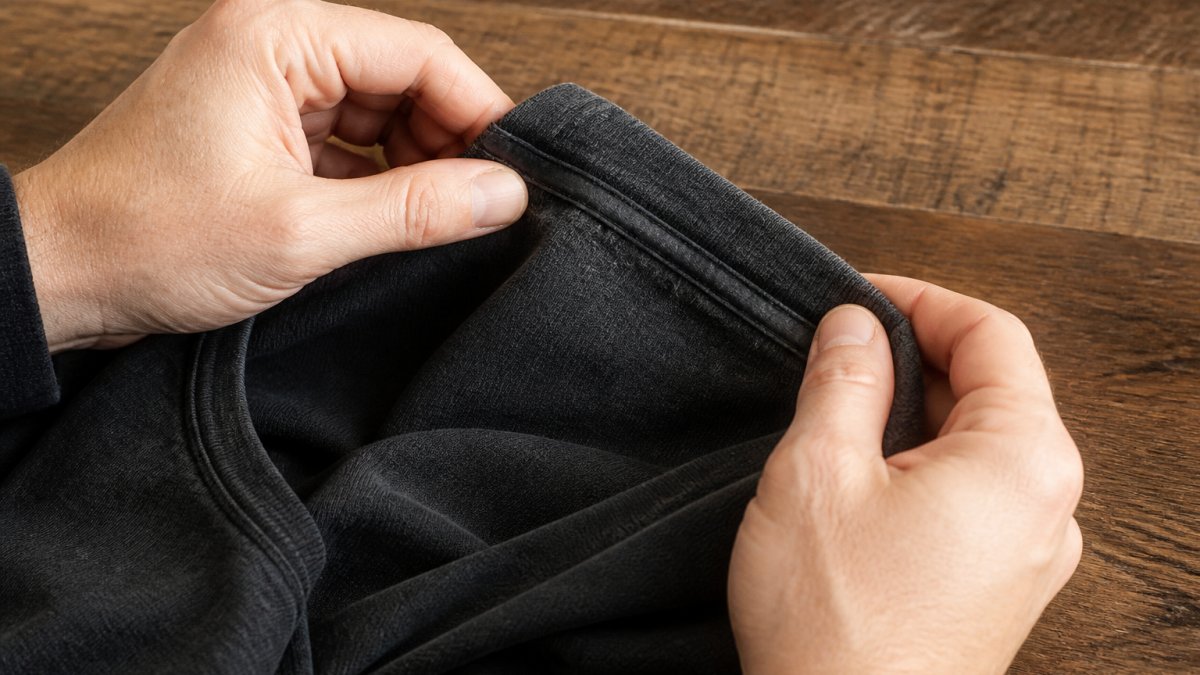
Look at the stitching. Run your finger along the seams. Quality shirts have double-stitched seams that are tight and even. Cheap shirts have single-threaded stitching that comes undone or puckers.
Examine the tag. Recycled or tear-away labels mean the manufacturer cares about details. The fabric weight matters too. Heavyweight cotton (6.0 oz per square yard or higher) will feel solid.
Look at the print or design. Quality merchandise uses screen printing or embroidery that doesn't crack or peel. The design should be evenly applied.
Check the collar and cuffs. Quality shirts have reinforced ribbing that holds its shape. Cheap shirts have loose ribbing that stretches out and never recovers.
Feel the fabric itself. Quality cotton has a soft, consistent texture. It doesn't feel scratchy or stiff. Cheap cotton feels rough or plasticky. Run your hand across the surface.
The real cost breakdown: where your money goes
When you buy a premium tee for around 35 dollars, that money doesn't all go to profit. Here's where it actually goes:
Materials cost 40-50% of the retail price. Quality cotton costs more than cheap cotton. A heavyweight 6.0 oz cotton shirt costs significantly more per yard than a lightweight 4.0 oz shirt. The dyes used in garment-dyeing are more expensive than printing inks. The thread, labels, and packaging all add up.
Manufacturing and labor costs account for 15-25%. Premium shirts are made in facilities with better quality control. Workers are paid fair wages.
Design and licensing costs are 5-10%. Official music merchandise requires licensing agreements with artists. The design team creates original artwork. These costs are passed to the customer.
Shipping and handling costs 5-10%. Premium merchandise is often made to order, which means custom packaging and careful handling.
Retailer markup is 20-30%. This covers the cost of running the online store, customer service, returns, and actual profit. Direct-to-consumer brands like Marvin Chambers Music keep more of this margin because there's no middleman.
Taxes and fees account for 5-10%. Depending on location, sales tax, payment processing fees, and regulatory compliance add to the final price.
The bottom line: a 35-dollar premium tee might cost 15-18 dollars to produce and get to you. The rest covers real costs and sustainable business operations.
A 35-dollar premium tee is allocated across materials, labor, licensing, and operations.
| Cost Category | Percentage of Price | Details |
|---|---|---|
| Materials | 40-50% | Quality cotton, dyes, thread, labels, packaging |
| Manufacturing and labor | 15-25% | Quality control, fair wages, longer production |
| Design and licensing | 5-10% | Artist licensing agreements, original artwork |
| Shipping and handling | 5-10% | Custom packaging, careful handling |
| Retailer markup | 20-30% | Store operations, customer service, profit |
| Taxes and fees | 5-10% | Sales tax, payment processing, compliance |
Manufacturing, materials, and production scale
Premium apparel uses better materials from the start. The cotton is sourced from suppliers who maintain higher standards. It's often from facilities that practice sustainable farming.
The manufacturing process for premium shirts takes longer. Each shirt is checked at multiple stages. The stitching is inspected for consistency. The fit is tested. Quality control rejects shirts that don't meet standards.
Production scale affects cost in both directions. Smaller production runs (like limited edition band merch) have higher per-unit costs because setup and tooling costs are spread across fewer items.
Premium brands often do smaller runs to maintain exclusivity and quality. This means higher per-item manufacturing costs, which gets passed to the customer.
The fabric weight matters significantly. Heavyweight cotton (6.0 oz per square yard) requires different machinery and longer drying times than lightweight cotton. This increases production costs. But it's also why premium shirts last longer.
Garment-dyeing is more expensive than print-on-demand. The entire finished shirt is dyed, which means the dye penetrates the fabric evenly. This takes time and uses more dye.
How to prevent music merch from fading
Fading happens when colors break down from light, heat, and friction.
Wash in cold water. Hot water breaks down dyes faster. Cold water cleans just as well and preserves color.
Turn shirts inside out before washing. This reduces friction on the printed or dyed surface.
Wash with similar colors. Mixing dark and light colors can cause dye transfer. Wash darks together, lights together.
Use mild detergent. Harsh chemicals break down dyes. A gentle, color-safe detergent is worth the extra cost.
Skip the bleach entirely. Bleach destroys color. Even color-safe bleach can cause uneven fading.
Avoid the dryer when possible. Heat accelerates fading. Hang-dry your shirts to preserve color.
Marvin Chambers Music - Oversized Heavyweight Tee →
Don't leave wet clothes in the washer. Sitting wet for hours can cause uneven fading and mildew.
Limit sun exposure. Direct sunlight fades colors fastest. Hang-dry in shade when possible, not in direct sun.
Store in a cool, dark place. Sunlight through a window fades shirts even when you're not wearing them.
Wash less frequently. Every wash stresses the fabric and fades color slightly.
How to wash band T-shirts properly
Proper washing is the difference between a shirt that looks new after a year and one that looks destroyed after three months.
Before washing: Check for stains. Treat them with a stain remover before the full wash. Turn the shirt inside out.
Water temperature: Use cold water only. Warm or hot water opens the fabric fibers, allowing dye to escape.
Detergent: Use a mild, color-safe detergent. Avoid heavy-duty or bleach-containing detergents. Less detergent is actually better. You don't need a full cap.
Wash cycle: Use a gentle or delicate cycle. This reduces agitation and friction.
Drying: Hang-dry whenever possible. This is the single best thing you can do for longevity.
Frequency: Wash only when necessary. Wearing a shirt 5-10 times between washes extends its life significantly. Jeans can go weeks.
Storage: Fold rather than hang. Hanging stretches the neckline and shoulders over time. Store in a cool, dark place away from direct sunlight.
Ironing: If needed, iron inside-out on low heat. Never iron directly on a design or print.
Why artist revenue and authenticity justify the premium
Streaming pays artists fractions of a cent per play. A song with a million streams might earn the artist 1,000 to 3,000 dollars total.
Merchandise is different. When a fan buys a premium tee at a concert, most of that money goes directly to the artist.
This is why touring artists prioritize merch. It's often the only reliable income stream that keeps them going between album releases and touring cycles.
Authentic merchandise also builds fan loyalty. The fan thinks they're supporting the artist, but the money goes to a reseller instead. Contact us with questions about authentic merchandise and artist support.
Music industry reports on streaming revenue show that merchandise has become essential for artist sustainability. Premium apparel commands higher prices because fans understand they're supporting the creator directly.
Quality also matters for authenticity. Cheap knockoffs use low-quality materials and poor construction. Premium official merchandise uses better materials and construction, which signals authenticity. Fans can feel the difference.
Marvin Chambers Music offers an official collection of merchandise designed for fans who live for the music.
Choosing apparel that's worth the investment
Not all premium apparel is created equal. Here's how to spot what's actually worth the money versus what's just expensive.
Check the materials. Look for 100% cotton or high-quality blends. Avoid polyester-heavy shirts. Read the tag.
Feel the weight. Hold the shirt. Does it feel substantial? Heavyweight cotton (6.0 oz per square yard or higher) feels solid.
Inspect the construction. Look for double-stitched seams, taped neck and shoulders, and seamless bodies. These details matter.
Verify authenticity. Buy directly from the artist or official retailers. Marvin Chambers Music offers premium hoodies and heavyweight tees built for real fans who want gear that lasts.

Consider the design. Screen-printed or embroidered designs last longer than direct-to-garment printing. Quality designs are applied evenly and securely.
Know the care requirements. Premium apparel requires proper care to justify the price.
Compare price to materials. A 35-dollar heavyweight tee is reasonable. A 35-dollar polyester blend is not.
Look for limited runs. Exclusive designs and limited quantities often indicate higher quality.
Buy from brands with reputation. Marvin Chambers Music builds gear for fans who live for the music.
The real cost of premium music apparel is justified when you understand where the money goes.
Frequently Asked Questions
What makes premium music apparel cost more than a basic T-shirt?
Premium music apparel uses higher-quality materials like heavyweight 100% cotton (6.0 oz/yd²) instead of thin blends, along with production techniques such as garment dyeing, double-stitched seams, and reinforced collars. Manufacturing costs are higher for these materials and methods. Additionally, a portion of the price supports the artist directly, official merchandise sales are a key revenue stream that helps fund touring, production, and ongoing creative work. The difference between $15 fast-fashion merch and $35+ premium apparel reflects both durability and artist compensation.
How do I know if music merch is actually good quality or just overpriced?
Check the fabric weight (premium tees are 6.0 oz/yd² or higher), material composition (100% cotton or quality blends hold color better than cheap synthetics), and construction details like taped necks, seamless bodies, and double-stitched seams. Look at the tag and care instructions, legitimate premium merch includes detailed care guidance. Read customer reviews specifically about durability after multiple washes. Official merchandise from established artists typically lists materials transparently; if a product hides this information, it's a red flag.
Does buying official band merchandise actually support the artist?
Yes, official merchandise is a direct revenue stream for artists. Unlike streaming royalties (which pay fractions of a cent per play), merchandise sales generate meaningful income. Artists typically keep a percentage after production, shipping, and venue commissions (venues often take 20-30% of merch table sales). This revenue helps fund touring costs, studio time, and financial sustainability between album releases. Buying from official channels ensures the artist receives their cut rather than counterfeit sites pocketing the profit.
Will premium music apparel actually last longer, or is it just marketing?
Premium apparel lasts significantly longer when cared for properly. Heavyweight cotton resists pilling and fading better than thin fabrics, and proper stitching prevents seams from unraveling. However, durability depends on washing method, even premium tees fade if washed in hot water or dried on high heat. Machine wash cold inside-out with mild detergent, use non-chlorine bleach only when necessary, and hang-dry or tumble dry low. Followed correctly, premium apparel can retain color and shape for years, making the higher upfront cost a better investment than replacing cheap merch every few months.
Premium music apparel costs more because it's built to last. The materials are better. The construction is stronger. The dyes stay vibrant. Most importantly, your money supports the artist directly instead of enriching a middleman. When you choose Marvin Chambers Music, you get authentic gear engineered for real fans. VIEW ALL GOODS and find the perfect piece that matches your style and your commitment to the music.
